
When your dog starts panting and seems confused, it’s not just a passing moment—it’s a signal that something might be wrong.
While panting is a normal way for dogs to cool off, pairing it with disorientation or confusion often indicates an urgent underlying issue.
We outline the common causes of dog panting and confused behavior, what you can do, and when to seek veterinary help.
Table of Contents
Dog Panting and Confuse: Why It Happens
Dogs may pant and appear confused due to neurological issues, metabolic imbalances, toxin ingestion, or age-related cognitive decline.
These symptoms are often alarming because they signal that your dog’s brain or body isn’t functioning as it should. Acting quickly is essential to prevent complications.
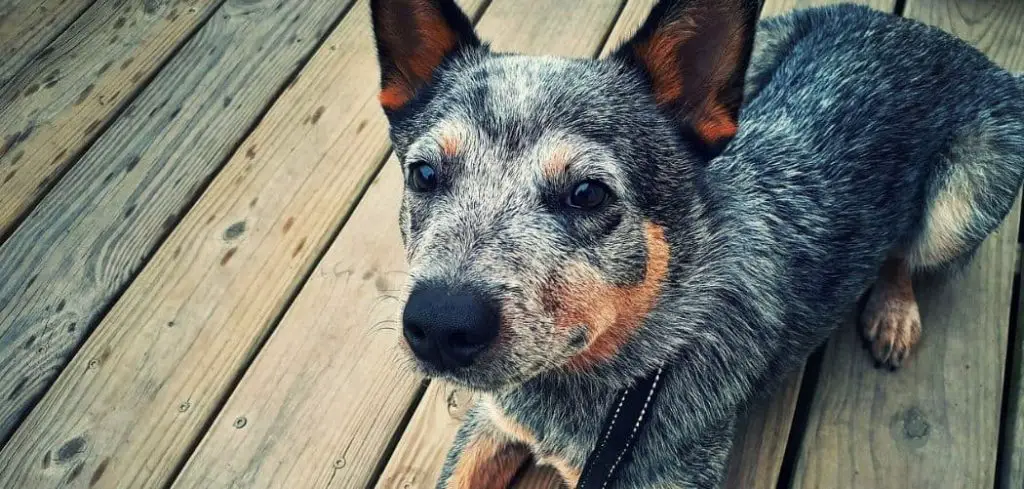
Dog Panting and Confused Behavior: Common Causes
Cognitive Dysfunction Syndrome (Dog Dementia)
Older dogs may develop Canine Cognitive Dysfunction (CCD), similar to Alzheimer’s in humans.
They may pant excessively due to anxiety or disrupted sleep patterns, while confusion shows up as staring at walls, getting stuck in corners, or forgetting routines.
Symptoms usually worsen at night (sundowning) and progress gradually.
Dietary changes, supplements, medication, and environmental enrichment can help slow progression.
Read more: Old dog syndrome (Signs, causes and treatment)
Heatstroke or Overheating
Overheating can cause both panting and mental confusion as the body and brain struggle to function under extreme temperatures.
Dogs left in hot environments may start with heavy panting and progress to wobbliness, confusion, vomiting, or even collapse.
Signs include bright red gums, thick saliva, and rapid heartbeat.
Immediate cooling (wet towels, fans) and emergency vet care are critical.
Hypoglycemia (Low Blood Sugar)
Dogs with low blood sugar—especially small breeds, puppies, or diabetics—can suddenly become confused and pant heavily.
They may appear weak, tremble, collapse, or seem disoriented.
This can result from missed meals, excessive insulin, or strenuous activity.
Offering a small amount of honey or sugar water can help temporarily, but veterinary care is essential.
Read more: Dog Panting and Breathing Fast (When to worry)
Seizure or Pre-Seizure Activity
Not all seizures involve full-body convulsions. Some dogs experience partial (focal) seizures or pre-ictal phases with panting, pacing, and confusion.
These may last a few minutes and be followed by disorientation (post-ictal state).
If your dog stares into space, can’t respond to commands, or acts strangely, a seizure may be underway or just passed.
Medical evaluation and possible anti-seizure medication are needed.
Vestibular Disease
This inner ear or brain condition affects balance and orientation, especially in senior dogs.
It can cause panting from distress and confusion due to loss of equilibrium.
Signs include head tilting, stumbling, circling, and nausea.
While some cases resolve on their own, others need supportive care and diagnostics to rule out brain issues like tumors or infections.
Toxin Exposure
Ingesting human medications, xylitol, chocolate, or poisonous plants can trigger sudden panting and altered mental status.
Your dog may appear anxious, confused, vomit, or collapse.
Other signs include tremors, dilated pupils, or seizures.
Call your vet or a pet poison hotline immediately—early treatment can be lifesaving.
Dog Panting and Confused at Night
A dog that is panting and confused at night may be experiencing nighttime anxiety or canine cognitive dysfunction.
Older dogs with cognitive changes may become disoriented when the house is dark and quiet, leading to pacing, staring, wandering, whining, or repeatedly seeking their owner’s attention.
However, nighttime confusion and panting can also result from pain, discomfort, anxiety, medication effects, or medical disease.
If this behavior is new, becoming more frequent, or accompanied by changes in appetite, drinking, urination, mobility, or daytime behavior, a veterinary examination is needed.
Senior Dog Panting and Confused
A senior dog that is panting and confused may be experiencing pain, anxiety, cognitive changes, or an underlying medical problem.
Canine cognitive dysfunction can cause disorientation, altered sleep patterns, pacing, and increased anxiety, while pain or illness can also make an older dog appear confused and pant more than usual.
Sudden confusion is more concerning than gradual age-related changes. Heart or respiratory problems, metabolic disorders, medication effects, poisoning, or neurological problems can also cause these signs.
If the dog has difficulty breathing, collapses, has seizures, cannot walk normally, has pale or blue gums, or is difficult to wake, seek emergency veterinary care.
What to Do If Your Dog Is Panting and Confused
Stay calm and move your dog to a quiet, cool, safe space away from stairs or hazards.
Note the time the symptoms began, and whether they’ve worsened or improved.
Offer water, but don’t force food or movement if your dog is disoriented.
Do not administer human medications or assume it’s anxiety unless previously diagnosed.
Document any new foods, medications, or environmental exposures that may have triggered the episode.
When to Call or Visit Your Vet
Seek emergency care if your dog:
Appears lost, dazed, or unable to recognize familiar people or surroundings
Pants heavily and seems unsteady or weak
Collapses, trembles, or has a seizure
Has a known condition like diabetes or epilepsy
Shows worsening symptoms over time or doesn’t improve in an hour
Timely intervention can often reverse or manage the condition before it becomes more serious.
Read more: Dog Panting and Shaking for No Reason (How to tell if it’s serious)
Key Takeaway
Panting and confusion in dogs are not normal behaviors when they occur together—especially if your dog seems anxious, disoriented, or unresponsive.
Whether it’s due to heatstroke, dementia, toxins, or blood sugar imbalances, swift action can make a life-saving difference.
When in doubt, call your vet—it’s always better to be safe when your dog’s brain and body are under stress.


